Showing posts with label juneteenth. Show all posts

Monday, April 14, 2025

Juneteenth decorations


Show your pride in the Juneteenth Celebration with one of these colorful, great-looking, and comfortable headbands. The Juneteenth Headband is more than just an accessory—it’s a bold and decorative way to stay cool while honoring one of the most significant cultural holidays in American history. Whether you're heading to a celebration or simply enjoying the outdoors, this headband is a perfect fit for your day.

Designed specifically for active, sunny days, this moisture-absorbing doo-rag headband is ideal for the beach, a relaxing afternoon in the park, or a full day of fun at a Juneteenth event. Its 100% moisture-wicking fabric helps keep sweat away so you can focus on enjoying the celebration without discomfort. Plus, its antimicrobial properties and lightweight feel make it both hygienic and super comfortable.

Each headband measures 2.5 inches wide by 42 inches long, offering a one-size-fits-all solution with a snug, stay-in-place fit. It’s made in the USA with care and durability in mind, and it’s machine washable so you can wear it again and again. It’s built to last through your summer adventures and Juneteenth traditions year after year.

What sets The Juneteenth Headband apart is its beautiful, edge-to-edge design. Because each one is printed before sewing, the artwork stretches seamlessly from one end to the other, creating a polished, professional look that turns heads and sparks conversation. It's a fashion statement and a history lesson all in one.

These headbands are a decorative way to remind everyone of the newest federal holiday in the United States—Juneteenth. This day marks the end of slavery in the U.S. and has long been celebrated by African Americans as a day of freedom, community, and reflection. Now, recognized nationally, Juneteenth is also the oldest African American celebration in the country, and wearing this headband is one way to show solidarity and pride.

The headband is perfect for anyone who wants to honor heritage, celebrate freedom, and stay stylish at the same time. Whether you're dancing, walking in a parade, or just soaking up the sun, this headband keeps you looking and feeling cool while carrying a deeper meaning. It's a small accessory with a powerful message.

The Juneteenth Headband is proudly sponsored by the Juneteenth Handbook, a helpful guide filled with stories, traditions, and insights about the holiday. To explore the full history and learn more about Juneteenth, grab a copy of the Juneteenth Handbook here: https://amzn.to/4lvXVKd. And don’t forget to get your headband at Zazzle—a stylish way to honor the past and celebrate the present.


Saturday, April 5, 2025

Why Eat Red Food on Juneteenth?


Juneteenth Tradition


Why Eat Red Food on Juneteenth?

Juneteenth, the oldest nationally celebrated commemoration of the ending of slavery in the United States, is marked by rich traditions that speak to both history and hope. One of the most vibrant and meaningful customs is the inclusion of red foods in the celebration. From strawberries and watermelon to red punch, cherry pie, red velvet cake, sausages, hot dogs, and barbecue, the color red takes center stage at many Juneteenth gatherings. But the choice of red food isn’t just about color—it’s a powerful symbol of remembrance, resilience, and cultural pride.

In West African tradition, red is deeply symbolic. It represents spirituality and sacrifice, often appearing in rituals, ceremonies, and clothing. For the ancestors of African Americans, who were brought to the Americas through the horrors of the transatlantic slave trade, red carries spiritual weight and historical memory. When we eat red foods on Juneteenth, we are connecting back to these African roots and the strength of those who came before us.

The red foods also represent the blood that was shed by enslaved people during their brutal journey across the Atlantic and throughout their bondage in the Americas. It symbolizes the many lives lost in pursuit of freedom—the victims of the Middle Passage, the countless individuals who suffered under slavery, and those who perished while daring to escape it. Each bite of a red food on Juneteenth becomes a quiet, yet powerful, act of remembrance.

Red on Juneteenth also reflects the resilience and ingenuity of enslaved people and their allies. Despite being stripped of freedom, culture, and identity, African Americans created vibrant communities, rich traditions, and powerful resistance movements. Food was one of the many ways they preserved culture and found joy amidst adversity. Red dishes, with their bold flavors and festive appearance, reflect the creativity and strength that endured even in the darkest times.

Additionally, the color red honors the abolitionists—Black, white, and others—who fought tirelessly to end slavery. It is a shared color of struggle and triumph, linking people across racial and cultural lines in a common cause. Juneteenth is not only a celebration of emancipation but a tribute to everyone who contributed to the long fight for justice and equality. Wearing red or serving red food is a symbol of that shared victory.

For African Americans, incorporating red into Juneteenth is more than tradition—it’s a spiritual gesture that bridges past and present. It’s a way to pay homage to the ancestors, to teach future generations about the cost of freedom, and to keep the story of liberation alive. Eating red foods is a flavorful, meaningful way to participate in a legacy that continues to inspire.

Whether you're at a backyard barbecue or a community potluck, taking a moment to reflect on the meaning behind that slice of red velvet cake or glass of ruby punch adds depth to the celebration. It reminds us that freedom is hard-won and should never be taken for granted. It also reminds us that food, like history, can nourish the soul and connect us across generations.

So this Juneteenth, when you prepare or enjoy red foods, do so with intention. Let each flavor be a tribute—to the enslaved, to the survivors, to the fighters, and to the dreamers. Celebrate freedom, honor the past, and keep the spirit of Juneteenth burning bright.

Thursday, March 20, 2025

Why learn about Juneteenth?


My Canva Art


Why learn about Juneteenth? 


To me, the answer is simple---to combat racism! Despite what the media says today about people not being racist, and racism, not existing---racism is here to stay. That is why celebrations like Juneteenth should be here to stay as well. So here is why I think learning about Juneteenth is essential, every American should know this history for people who want to understand our newest national holiday's significance as more than a historical event. Juneteenth marks the end of slavery in the United States, particularly in Texas, and serves as a powerful celebration of freedom and American history. It represents a pivotal moment when enslaved African Americans in Galveston, Texas, finally learned of their freedom — two and a half years after the Emancipation Proclamation was issued. But beyond that, Juneteenth is a symbol of resilience, unity, and the ongoing fight for equality, making Juneteenth a vital part of the American story.

What many may not realize is that Juneteenth was celebrated not only by the newly freed Black Americans but also by white abolitionists and anti-slavery supporters who worked tirelessly to dismantle the institution of slavery. These white allies believed in the moral wrongs of slavery and stood side by side with Black Americans to bring about change. The celebration of Juneteenth, then, is a tribute to all those — Black and white — who fought for freedom, justice, and human dignity. It reminds us that the abolition of slavery was not the victory of one race over another but a shared triumph for humanity.

A key piece of that story is the Underground Railroad, a network that helped enslaved people escape to freedom. While many free Black individuals risked their lives to guide people along this path, the network was largely supported and run by white Americans who opposed slavery. They provided shelter, food, and safe passage — often at great personal risk. This collaboration across racial lines is a crucial part of Juneteenth’s legacy, showing that the fight for freedom was a collective effort, driven by a belief in the fundamental rights of all human beings.

It’s also essential to remember that not every Black person in America during the time of slavery was enslaved. There were free Black Americans who built communities, owned businesses and contributed to the nation’s growth. They, too, played an essential role in advocating for the abolition of slavery and supporting their enslaved brethren. Juneteenth honors these individuals and their determination to fight for a future where freedom is a reality for all.

Juneteenth is more than a day of celebration — it’s a reminder of what Americans can achieve when they come together for a just cause. It represents the unity of different races in America, all standing against the oppression of the human race. The day calls for reflection on the past, recognition of the progress made, and a renewed commitment to creating a more equitable future. It is an event for all Americans, regardless of background, to gather, learn, and celebrate the spirit of freedom and unity.

This spirit of togetherness and shared struggle is at the heart of my book, The Juneteenth Handbook. The book delves into the history and significance of Juneteenth, highlighting the efforts of both Black and white Americans who worked to end slavery. It serves as a guide to understanding how the holiday embodies the ideals of freedom, perseverance, and unity — values that continue to shape America today.

In a time when division often dominates headlines, Juneteenth stands as a powerful reminder of what unity can achieve. It encourages us to look beyond our differences and recognize the humanity that binds us all. The legacy of Juneteenth teaches that freedom is not a gift handed down by one group to another — it’s a right that belongs to everyone, and it’s a victory earned through the collective efforts of diverse, determined individuals.

By learning about Juneteenth, we honor those who endured unimaginable hardships and those who fought alongside them to break the chains of slavery. We acknowledge the progress that has been made and the work that remains. Juneteenth is a celebration of freedom, a testament to unity, and a reminder that America’s strength lies in its diversity and its people’s unwavering pursuit of justice.


Monday, April 8, 2024

Juneteenth Coloring Book


MyColoringBookArt


This post is about my new Juneteenth Coloring book just released (or as my grandson would say, just DROPPED) on Amazon. The coloring book is for kids and intended to shine a little more light on the meaning behind the Juneteenth celebration, for kids through images, from the time of the African ancestors who themselves, were unable to enjoy what we take for granted today. Back in 1865 unity, a sense of resilience, and freedom, were all things the institution of slavery fought hard to keep away from the American African people. With, "Freedom" for themselves and their families being the number-one desire for  Americans from Africa back then. A freedom the slave ancestors both preyed for and fought for. Several hundred years of African ancestors would not live long enough to see what happened on June 19th, 1865 so today on Juneteenth we celebrate that freedom for them.

This coloring book was created to provide one more significant interest, and understanding of the newest federal holiday in this nation, and also just happens to be the oldest African American celebration, in this nation. Juneteenth as a national holiday, may only be a few years old, but the Juneteenth celebration has been going on in the United States since June 19th, 1865. I wanted to get this coloring book out before this coming Juneteenth celebration so that as families gather at the parks and squares around the nation, children flip through the pages of this coloring book, adding their own colorful interpretation to the historical characters and moments depicted inside. They take away a better understanding of this holiday so long denied federal recognition.  


With each stroke of the marker, or crayon participants not only understand and celebrate the progress made on that fateful day, in Galveston Texas, in 1865, but they gain an even clearer picture of the battle still going on today due to the lack of justice and equality that stems from back in 1865, when the institution of slavery changed into the institution of racism. During the time that slavery existed in this nation, the majority of Americans from Africa were not allowed to keep their families together. That is why I say that Juneteenth is all about family because now the African American family is strong, and if it's not, it still could be. So as laughter fills the air of the Juneteenth celebration you attend or host, think of every family gathering as an opportunity for the older of us to bridge the gap between generations and reinforce the timeless importance of the African ancestors and Juneteenth.

The Juneteenth coloring book serves not only as a source of entertainment, and activity for the kids but also as a symbol of hope and solidarity and a reminder to us all that the journey toward equality and freedom is one we must all continue to pursue, Juneteenth after Juneteenth, together.

These are some of my other books

Wednesday, February 7, 2024

The Freedom Warrior, Harriet Tubman


My AI Art


A beacon of resistance, resilience, and a love of freedom, Harriet Tubman proved to all of those who would follow her that there was truly a way out of the clutches of slavery. She knew personally the dark side of slavery and what it was like to be treated only as property. While she could do little about the inequities and the lack of human rights, she was able to make a difference when it came to freeing, not only herself but all of her enslaved brothers and sisters brave enough to follow her out of the shadow of slavery. 

Let's face it, what Harriet did was dangerous both to herself and to all those she shepherded. Following Harriet into a world where not all white people were bad, and not all black people were good, across an anti-freedom minefield which, for a slave was a journey that, if you were lucky enough to make it to freedom, would never occur to a newly freed person, to simply rest of a while then say, ok! Let's do that again! 

But that is exactly what Harriet Tubman would do, determined to free her people (the ones who would follow her) from slavery one person at a time if she had to. Willing to put her life on the line for the anti-slavery cause until there was no longer a need for the support she received from the other abolitionists also working on the Underground Railroad. When slavery was no more she no longer needed support from the Underground Railroad who helped Harreit finance the purchase of shoes that were worn off her feet, and those of her followers. 

After slavery was abolished in the U.S. Harriet Tubman along with other female abolitionists, like Susan B. Anthony would recommit their activism to Women's Suffrage, and work to improve the 15th Amendment that granted African American men (not women) the right to vote.

Sunday, April 16, 2023

What is Juneteenth and why is it in the news?

My Canva/Zazzle Design

 What is Juneteenth and why is it in the news?

Juneteenth is the celebration that celebrates the end of slavery in the United States, even though June 19th, 1865, was the unofficial beginning of the Juneteenth Celebration,  not all of the slaves in the U.S. were freed by Abraham Lincoln's Emancipation Proclamation, but it was a start. June 19th, 1865 was the day federal troops arrived in Galveston Texas taking control of the last Confederate stronghold in the southern state of Texas. The newly freed slaves were still not considered citizens of this nation, nor did the newly freed slaves have the right to vote. Constitutional recognition of their freedom would come with the passage of the 13th, 14th, and 15th Amendments to the United States Constitution, and the first official recognition of the Juneteenth Celebration would follow on June 19th of the year 1866.


Friday, October 28, 2022

What did the ex-slaves and slaves eat in 1865

What did the slaves eat?


Slaves in West Africa before contact with Europeans lived mainly on a diet that was low in meat protein except for those who lived near the water where fish were plentiful. Their diet consisted mainly of maize,(corn) rice, peanuts, dried beans, and yams. After contact with Europeans and arriving in the U.S. the slave diet became a little richer based partly on the fact that a well-fed slave meant good productivity in the fields. So around the year 1865, near the end of slavery in this country, most slaves could depend on food rations that included some kind of meat or meat scraps, corn meal, lard, molasses, flour, greens, and peas. Those food items could sometimes be supplemented with fruit and nuts where available. 

As mentioned in the title (ex-slaves and slaves) in 1865 not all of the slaves in the United States were freed on June 19th, 1865 so for those that remained enslaved the above rations list was still in place. For the newly freed slaves, freedom from slavery meant the cutting off of their usual rations with the majority of fresh meat in their area being consumed by union troops taking over the southern stronghold in Galveston Texas, and throughout the south. So, I can be really sure just what the ex-slave feeding habits were immediately after slavery ended in the south. The Freedmen's Bureau would later be set up to address this issue. A year later though, around the time of the first official celebration of Juneteenth in June 1866, things were settled enough that at the first official celebration of the end of slavery in this country at the 1966 Juneteenth Celebration there were many of the food items we have today are on the menu. 

Peppered rabbit, okra soup, chicken, and Hominy (another form of corn usually made into grits) were a part of the first official celebration of Juneteenth. As the celebration spread outside of texas BBQed and grilled meats, greens, potato salad, cornbread, and a lot more familiar southern soul food dishes could be found at the Juneteenth Celebration. Something that has always been associated with the end of slavery celebration is the drinking of something red. Believed to be a West African tradition that survived in African people transported across the Atlantic Ocean to the U.S., the color red was associated with prosperity in West Africa. In the U.S. the color red also symbolized the blood spilled by the African people to be free. Long before the underground railroad slaves had been self-emancipating. Sometimes peacefully sometimes not. 

There was bloodshed in slave revolts and slave uprisings to go along with the bloodshed from the thousands of black lives who fought for this nation in the war for independence, in 1776, which did not make the slaves free. The Civil War, in 1865, did result in American Africans being set free. That is what makes the color red important to the Juneteenth Celebration. While today's descendants of the slaves, like me, may enjoy many of the same foods our enslaved ancestors did the food is still just a small part of the Juneteenth Celebration.

The main celebration of Juneteenth is all about freedom. A freedom our ancestors could only dream about. Juneteenth is also a celebration of family and a family celebration. The ancestors, slave families, could not depend on family gatherings and get-togethers because back in 1865 many slave families were separated by slavery, and sold apart from each other. Freedom from slavery meant that families could no longer be separated from each other by slavery, and that, while families might not live in the same house they could still come together for events like Juneteenth, the independence day that outshined the July 4th Celebration by making All Americans, including American Africans, free.

Add some good-tasting soul food with something red to drink, some African drum music, sports events, and a parade and you have a family holiday celebration that outshines all the others for American African people.

Thursday, May 12, 2022

The Juneteenth Fact Sheet

Download my Juneteenth Fact Sheet online and at the bottom of this post leave us an E-Mail address so that you can follow and be the first to learn of new, downloadable, printable stickers, and invitations, for Juneteenth from us here at the Juneteenth Handbook. What is the Juneteenth Fact Sheet, it's a collection of facts put together by me based on conversations I have had with friends and family over the years about Juneteenth? Not long after finding out about the Juneteenth Celebration myself, I began to realize that a lot of the facts and figures being quoted to me by different friends, family, and organizers were not matching up. For example, Juneteenth represents the end of slavery in the United States. Well, kinda, and not for all the slave population in this nation at that time. 

In my research that followed for my own video presentation about Juneteenth, titled A Time to be Remembered, A Juneteenth Story, even more, clarifying information came to light (for me) so when my video project was finished and the companion book I promised (The Juneteenth Handbook) was complete I decided to do my own Juneteenth Fact Sheet to clarify things like it was actually the 13th Amendment that ended slavery throughout the U.S. and the first official Juneteenth Celebration, was actually held June 19th, 1866, on the first year anniversary of General Gordon Granger's reading of General Order No. 3 the year before in 1865. Not gigantic deals I know, but, to me still important enough to mention.


For those of you who don't know, the word Juneteenth is a mixture of the words June and 19th, which represents the teenths of the month, in long-ago slave speak. The celebration is also known by other names like Jubilee Day, Emancipation Day, June 19th, and American African Independence Day. Because Juneteenth did for the American Africans what the 4th of July, 1776 celebration did not do for American Africans, Juneteenth recognized African Americans as citizens of this nation and was quickly followed by the 13th, 14th, and 15th Amendments to the United States Constitution.

The Juneteenth Fact Sheet and the Juneteenth Handbook E-Book are both downloadable history worth knowing. June 19th is one of the best days I know of the reflect on the meaning of the Juneteenth Celebration. Keeping in mind all of the freedoms the black Americans gained, and all the relief, and feelings of a job well done by all of the black and white abolitionists. Keep in mind that there are just as many descendants of the abolitionist around today as there are descendants of the former slaves.  

Juneteenth is a good time to remember also that the slaves both before, and after their freedom had an active part in building this nation, and because freedom isn't free some of the slaves also had a very active part in fighting with the military of this nation for their freedom all of which should make Juneteenth and American Holiday worth celebrating. Leave a comment and share with me how you first learned about the Juneteenth Celebration.


Tuesday, August 24, 2021

Juneteenth Freedom Day


Emancipation Day, Freedom Day, Black Independence Day, Jubilee Day, Officially Juneteenth National Independence Day are some of the other names for Juneteenth. On June 19th, 1865 the United States moved a step closer, as a nation, to honor the words written in the U.S. Constitution about all men being created equal. To Fredrick Douglass and his abolitionist colleagues, Abraham Lincoln's Emancipation Proclamation wasn't passing the truth test. When the truth about the Emancipation Proclamation was known it became clear the document completely overlooked all of the slaves in friendly northern states so: what to the northern slaves was the Emancipation Proclamation on June 19th, 1865? 

Not much, and especially not a document of freedom for the slaves in friendly union states. By the end of that year (1865) that oversight would be remedied with the passage of the 13th Amendment, and the following year, 1866, on the one-year anniversary of General Gordon Granger's reading of General Order No. 3 the first official Juneteenth Celebration was held. This time ex-slaves, north and south, could participate in the freedom celebration because it was the 13th amendment that abolished slavery everywhere throughout the United States. 

The following year in June congress would pass the 14th amendment, which was ratified in July 1868. The 14th amendment made the ex-slaves citizens of this nation they had sacrificed their African identities for and toiled as slaves for more than 400 years. In my opinion, the most important part of the 14th amendment is the equal protection under the law the 14th amendment gave to the ex-slaves and their descendants.

The 14th amendment did much to help form the more perfect union referred to in the constitution and the reason I believe Juneteenth is the true National Independence Day. When asked to speak at a 4th of July celebration Frederick Douglass asked in his speech: what to the slave is the 4th of July? Because not only were the enslaved Americans not free at that 4th of July celebration, celebrating freedom from British rule, those same slaves were not considered citizens of the nation so many had fought and died for in the colonial war.

The 13th amendment made it possible for blacks and whites to celebrate a national independence day. Freedom from British Rule and Freedom from slavery, reduced down to its lowest denominator, freedom. The name chose for that new National Independence Day was Juneteenth. That is how all of the above appears to me anyway.

Slavery needs to be talked about in our schools, up to and including the end of slavery because the slave trade was a big part of American History, in much the same way slavery was part of Roman and British history as well as dozens of other world powers. New and better school textbooks are needed, more detailed than the textbooks I had in school along with teachers willing to teach history the way American history really was. Juneteenth and its rise to a national holiday should also be included along with the people and politics to make it happen because while Juneteenth is now a federally recognized National Holiday it is still illegal to teach about Juneteenth in more than a dozen states.

Saturday, March 20, 2021

Celebrating Juneteenth at Home


 Celebrating Juneteenth at home

In these Covid-19 crazy days depending on what area of the U.S. you're in gathering in large groups may still be on a shelter in place basis. Juneteenth is celebrated in black communities throughout the United States and in other parts of the world. Juneteenth had been celebrated on a regular basis until the coronavirus happened. This past year most outdoor large-scale gatherings for the Juneteenth holiday were canceled, and several went virtual.

The drive continues to make the Juneteenth celebration a national holiday, but this year I am encouraging a stay-at-home Juneteenth celebration if a large gathering Juneteenth celebration is forbidden in your area. A Juneteenth celebration for family and friends with red-velvet cake, and strawberry soda, or whatever red food you choose. For those of you familiar with the Juneteenth celebration you know that red food and drink are very popular on Juneteenth.

Enjoying this day of freedom, the June 19th, 1865 day of independence for the slaves turned free people, and after the passage of the 14th Amendment, a citizen of this nation with equal protection under the law. We celebrate Juneteenth for all of the ancestors who lived and died, praying for a day of freedom they would never see. It's too bad racism didn't end when slavery did, and while the racism itself might not have come as a surprise to our ancestors the fact that racism is growing in this day and age rather than subsiding might surely have held some surprise.

But as the ancestors' dealt with slavery and racism, today their descendants the African American people of today are left only to contend with racism. Like the Africans, African Americans, and the abolitionist worked together to bring slavery to an end, that work, and us African American, abolitionist, and politicians now needed to gather those same energies to combat racism. So to me, Juneteenth is both a poignant reminder of the past and a way to remind us all, on each June 19th, that because of racism there is still much work that needs to be done organizing and creating opportunities for all those that racism is hurting.

If you've ever attended a Juneteenth celebration then I don't need to tell you that a Juneteenth celebration at home can not be compared to the food, drink, community, and excitement an outdoor festival style Juneteenth celebration can offer. But it can offer family and friends tired of sheltering in place a way to gather and a chance to honor all the ancestors before us and with good food and drink, family and friends make June 19th, 1865 a day worth remembering and celebrating.


Monday, March 15, 2021

Heroes of the Colored Race


 Back in 1865, the heroes of the colored race were black, white, northerners and southerners who not only championed the cause of freedom for all but in many cases took the extra step to make emancipation happen for some slaves. Many of these heroes worked tirelessly to change the laws associated with slavery and to assist slaves brave enough to purchase their freedom with their life and self emancipate (runaway) on their own. 

It was these heroes who set up and ran the underground railroad, an illegal operation until no longer needed in 1865. Paperwork related to the operation of the underground railroad was well guarded and hidden because to be caught with such records could have meant the loss of your freedom, property, and in some cases your life, especially if you were a black abolitionist.

The Underground Railroad

William Still did manage to maintain the written record of his work on the underground railroad, not only to chronicle the exploits of the runaway slave but in the hope of someday being able to reunite black families torn apart by slavery the way his own family had been separated by the rules of slavery a long time ago.

In fact, one of the runaway slaves that would come William Still's way during his work on the clandestine underground railroad would turn out to be his own brother Peter Still.

Thomas Garrett, a white abolitionist, whose religious-driven antislavery belief had him working on the underground railroad, another hero of the colored race during the days of slavery in this nation. The secret written records Garrett kept would show that he had helped more than twenty-one-hundred slaves escape to freedom. Thomas Garrett was one of the people who were overjoyed about the Juneteenth Day Celebration and the end of slavery in the south.

Garret was hoisted upon the shoulders of a crowd of jubilant black men and carried through the streets of Wilmington Delaware in celebration of the passage of the 15th Amendment, he was carried along by those who saw him as a hero of the colored race. Thomas Garrett was recognized for his work on the underground railroad, his commitment to, and the work within his own community to combat slavery.  

The black history heroes list is long and almost always includes abolitionists like Frederick Douglass, Harriet Tubman, the list of unsung heroes I would say is just as long. My hope is that each and every one of the stories associated with the heroes of the colored race will find its way into a manuscript and into a book,  I love reading about this stuff especially keeping in mind today's African American heroes, like our first black female vice-president Kamala Harris.


Juneteenth Books Juneteenth Jewelry

Tuesday, July 14, 2020

Anti-and-Pro Slavery Abolitionist


The abolitionist movement leading up to the Juneteenth Day Celebration was a complex tapestry of individuals and factions, including men and women of various races and nationalities. Among them were anti-slavery abolitionists, fervently dedicated to ending the institution of slavery, and pro-slavery abolitionists, whose motivations were starkly different. While the anti-slavery faction fought for the liberation and equal rights of enslaved people within the United States, the pro-slavery abolitionists, largely composed of merchants and slaveholders, sought a different resolution: they aimed to free slaves, but only if they could be removed from American soil. This fundamental divide underscored the tensions and paradoxes within the abolitionist cause.

The pro-slavery abolitionists took their efforts a step further by establishing a colony on the west coast of Africa, which eventually gained some reluctant support from segments of the anti-slavery abolitionist movement. To the pro-slavery merchants and slaveholders, the presence of free African Americans posed a threat to the continuation of slavery and their economic interests. They viewed the removal of freed blacks to Africa as a way to preserve their business model while addressing growing pressure to abolish slavery. Thus, they embarked on a project to resettle freed African Americans in Africa, using this strategy to maintain control and suppress the hope for freedom among those still enslaved.


The creation of this colony required meticulous planning and logistics. The pro-slavery abolitionists spearheaded efforts to organize transportation and resettlement for free African Americans. However, this endeavor overlooked the deep disconnect between African Americans and the African continent. After over 400 years in America, African Americans had little in common with their African counterparts beyond their skin color. Cultural, linguistic, and societal differences created significant challenges for those who were sent to the new colony. Despite these obstacles, the resettlement drive proceeded, fueled by the pro-slavery faction's determination to remove free blacks from the United States.

Remarkably, despite the profound cultural divide, African Americans and native Africans found ways to bridge the gaps in language and understanding. With assistance from the American Colonization Society (ACS), they learned to communicate and coexist. The ACS played a pivotal role in facilitating the transition, serving as a mediator and organizer for this controversial resettlement project. Over time, the relationships between the settlers and the indigenous populations evolved, allowing for a blending of cultures and the foundation of a new society.


This blending of African American settlers and native Africans eventually led to the creation of a distinct nation: Liberia. The nation’s origins are deeply tied to the abolitionist movement, embodying both its noble aspirations and its contradictions. Liberia became a symbol of African American resilience and adaptability, even as its founding was rooted in the pro-slavery faction’s attempt to maintain control over the institution of slavery in America. The establishment of Liberia underscores the complex legacy of the abolitionist struggle and its far-reaching impacts on history.

Ultimately, the story of the abolitionists and the founding of Liberia reflects the intertwined narratives of freedom, displacement, and identity. It reveals how individuals and factions with opposing motivations contributed to a shared, albeit conflicted, chapter in history. As we commemorate Juneteenth, it is essential to remember these layered stories, which illuminate the sacrifices, struggles, and paradoxes that shaped the path to freedom.


Thursday, June 11, 2020

Search for Equality


The road toward equality for black people in America has extended between the end of slavery and the beginning of Juneteenth, all the way up to where black people in America stand today. The road toward equality has been long, winding, and loaded with potholes. More than once my thoughts have toyed with the idea of what if---it was possible to reach back in time and bring someone from the days of slavery in America, back here to present-day America? While I imagine they would be amazed to see the tons of technical advancements (like indoor plumbing) and hopefully pleased to see how far some of us African American people have advanced on the economic scale. I suspect that my visitor from the past would also be just as amazed to see that in many places African American people are still as un-accepted by some whites today as they were in 1865.

They would learn that while many of the abolitionists who wanted to see black people in America freed from slavery, still did not necessarily want to see those same freed African Americans as their neighbors, and would eventually join with southern lawmakers returning to Washington after the Civil War, and the status quo, to craft new laws that were said to be separate but equal, for African Americans. 

Slavery lasted so long because it was accepted and justified by the status quo. Slavery was eventually ended when enough people willing to go against the status quo, did so. Today the mistreatment of black people by the police is more-or-less accepted by the status quo, how do I know? Because every time a black person is killed by a community protector some change is talked about and then instituted, but the problem in this regard is that the more things change the more things stay the same, especially where black lives are concerned. 

Until enough people say enough-is-enough and rise up to put an end to the mistreatment of their fellow citizens, which for the most part seems to be what is happening today. All over the world in Africa, England, the Pacific Island even here where I live people marched across the Golden Gate Bridge this week to say enough-is-enough.

The continued demonstrations inspired by the death of George Floyd and so many other black Americans still continue and are suppose to generate another march on Washington DC the unrest will most probably be still happening on June 19, 2020, perhaps some meaningful change in the way police handle matters concerning black lives will happen this time.

May this current slave uprising, created by George Floyd's murder, not be put down so easily, so that there might finally be equal protection under the law for black people when it comes to those who police our community, and so that the words our community police display so boldly on their police vehicles: "To Protect and Serve" finally apply to black lives. 


Friday, April 24, 2020

Juneteenth Cancellation


Juneteenth Day Celebration cancellations are starting to add up to quite possibly equal no Juneteenth Celebrations this summer, nationwide, due to Covid-19 concerns. To help prevent the spread of the coronavirus most state governors are asking Juneteenth organizers and others not to hold events for large gatherings of people. The African American community is being hit disproportionately hard by this virus with no vaccine. As a result of all the above, I have been watching Juneteenth celebration plans all over the country dissolve into cancelation after cancelation for summer 2020.  


In fact, as I write this post, the African American Family Reunion Committee in Vallejo-California and the NAACP's Jamestown Branch has just added their names to the list of organizations canceling their Juneteenth Day Celebration for this year. Whether a vaccine is created for the coronavirus or the new normal with regard to public gatherings stays in place I am hoping that the Juneteenth celebration will make its appearance in 2021 and continue on from there. For those of you who follow me on my Juneteenth website and FB location you know I celebrate Juneteenth all year round when it comes to sharing Juneteenth information.

June 19, 1865, and the celebration that grew into the oldest African American celebration in the U.S. "Juneteenth" should always be remembered even if it can't be celebrated in groups of more than ten. Juneteenth is all about family because after that date (in 1865) African American families separated by slavery at least had the chance to keep their immediate family together, and though it would not always be possible or in some cases desirable, begin putting their separated families back together.

Because back in the years' BC (Before Cable television) when there were no cellphones, tablets, televisions, or radios family time was often used for sharing meals and sharing stories. It didn't matter whether or not you could read when it came to the old African tradition of storytelling. The story of Juneteenth deserves to be passed down and passed on with or without becoming an official holiday.

Information is so readily available nowadays that I sometimes see my kids on their cellphone fact-checking someone in the middle of a conversation. Trying to imagine what it would be like without all of today's technology can be both sobering and kind of scary. But what if, for some reason, all of the technology we depend on today blinked out? No desktop, no laptop, no tablet, or cellphone service.

Information about the Emancipation Proclamation, and the end of slavery, should be passed from one generation to the next in honor of all those (black and white) who resisted slavery and fought to end slavery but didn't live long enough to see that dream, the abolishment of slavery, come true. From a member of the African American Juneteenth Celebrating communities, (me) I hope that the entertainment and activity associated with the oldest African American Celebration (Juneteenth) in this country will be back next year so that organizations like the African Family Reunion Committee, in Solano California the NAACP Jamestown Branch and all the other Juneteenth Celebration organizations taking a knee for the community in 2020 will be back in force next June.

I plan to still share Juneteenth related information on my Juneteenth website, and Facebook locations. A shout out to those in Rochester N.Y. area and the organizers of the virtual Juneteenth 5K Run and Walk, registration is still open through June 19, 2020. For those who register for a $10.00 donation you will receive a poster honoring Harriet Tubman, "Keep Going" by local artist Amber Stokes, and your donation will support the construction of the Rochester Civil Rights Heritage Park site at Baden Park.

June 19, 2020, public celebration or not, if you would like to join me in a quiet celebration dedicated to the memory of slavery and Emancipation my thoughts will be with yours on that date. Juneteenth around the nation, and in some cases the world, I was once contacted by a Juneteenth organization from Germany. Anyway, in places Juneteenth is celebrated with a day, a week, even an entire month, and even though it's still not easy for many Americans to accept the truth about the past or to understand the dignity that the Juneteenth celebration brings to the African Americans community, the celebration of this rich history still grows a little bigger each year.


Wednesday, July 31, 2019

Juneteenth Awareness Walk


Other names I have heard used for Juneteenth were Juneteenth Freedom Day or Juneteenth Independence Day. Juneteenth is recognized by many Americans of African descendants as America's second independence day since most of their African ancestors were not free after America celebrated its independence from Great Britain. It would be another 89 years after 1776 before African, and African Americans, still living in slavery, would be able would truly celebrate their independence in America.

Not long after I first learned about the Juneteenth Day Celebration I learned that there was also an ongoing movement in this country to make Juneteenth a national holiday. Over the years since then, I have watched more and more states make Juneteenth an official state holiday. Now that 46 states in this country recognize Juneteenth as a state holiday, a woman from Forth Worth Texas, by the name of Opal Lee, has decided to do a Juneteenth Awareness Walk Detroit where the Democratic Presidential hopefuls will be having their debate to bring attention to her personal campaign to make Juneteenth a national holiday.

The 92-year-old also is no stranger to using her legs and stamina to make her point, she walked a couple years ago in an attempt to get the attention of President Obama and the Congress, back in 2016, and if all goes well Opal will launch a Change.org petition to make Juneteenth a National Day of Observance this coming fall. She will kick off her 2020 campaign to get the Juneteenth legislation passed and put in some more walking miles to achieve her goal.

I believe that making space on the national calendar for this particular holiday (Juneteenth) would go along way toward improving race relations in this country. Just as the first step to solving the race problem is admitting that there is a race problem. The first step of healing the physiological and economic wounds of slavery might just be becoming comfortable with the fact that there was once slavery in this country to begin a national dialogue.

Taught on a national basis it might not be all that bad for people to learn that not all white people had slaves and that not all black people were slaves. Or that for the slave on-the-run not all white people were bad, and not all black people were good. If the Juneteenth Day Celebration becomes a reminder of these things I believe that would be some helpful history. We should be able to learn the history behind people, places, and things that made up America's second Independence Day.

So it goes without saying that I support Opal Lee's quest to bring more attention to making Juneteenth a national holiday. And the fact now that we're up to 47 states officially celebration Juneteenth, with about 5 states to go, it is quite possible that every state in the union will be celebrating Juneteenth as a state holiday and when that happens, even if the lawmakers in Washington haven't made up their collective minds, Juneteenth will be a national holiday.

If you have questions like why is it called Juneteenth, are looking for Juneteenth quotes, Juneteenth food ideas, a Juneteeth flag, or just some friendly Juneteenth facts be sure to see some of the other posts on this blog?


Sunday, November 18, 2018

Juneteenth Drinking Mugs


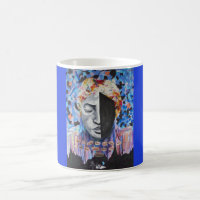
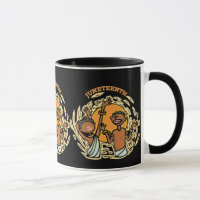
Collection of Juneteenth Drinking Mugs to celebrate American history, the beginning of the Juneteenth Day Celebration and to help keep you warm during the winter months by warming your hand when this mug is filled with your favorite hot drink. Several different artist Juneteenth designs are featured here below. A nice addition to your kitchen, or a nice gift for that special someone. Celebrate the history connected to the Juneteenth Day Celebration all year long and learn more about Emancipation. Visit the Juneteenth Handbook Pinterest board.


>

Powered by Zazzle Affiliate Helper